Monday, April 27, 2026

Leon Bridges, FAIA Faithful Servant and Fghting Lion.

Baltimore AIA reported on a Monday in April that longtime Baltimore architect and Fellow of the American Institute of Architects had died. Today I attended his memorial service.

Leon Bridges was born on August 18, 1932 in Los Angeles, California. In 1952 he was drafted to the military and stationed in Japan. He earned his architecture degree from the University of Washington in 1960 and worked initially in Seattle. He came to Baltimore in 1972. He was the first registered African American architect in Maryland. 

Leon Bridges, FAIA speaking about HarborPlace in 2024

He received many awards in his lifetime including a Citation for Excellence in Community Architecture and was in 1972 the first Black architect to have received a national award from the American Institute of Architects. All his life he worked hard for the advancement of architects of color. “I have a lot to say and I can speak at length“ he said even after he was 90. 

He had his own practice first in Seattle and then here.  His office was next to mine for some years. After semi retiring from it he became an adjunct professor at the Morgan State architecture department where he tought until not too long ago and invited me at times to be a visiting studio critic. He stayed involved as a critical commentator on local politics, for example as a critic of the planned HarborPlace development about which he spoke in the basement of the same church he was now eulogized. 

Leon was a local and national giant in architecture and urban design and will remembered fondly as many of today’s accolades illustrated. We will miss his, even in high age, forceful and critical voice. Leon was never shy to share his opinion and always strived for improvement. A good faithful servant, the pastor said, stressing that GFS was more important than the other letters behind Leon’s name (FAIA, NOMA). Three years ago at a talk he gave at Morgan State on occasion on some honorary award, he stated, I am still here, I have a lot to say, I could talk forever. He noted that he wanted to be alive to see his grandson graduate. He didn't quite make it. Now this grandson spoke and sang powerfully at his funeral.

So there he lay in his bow-tie and suit looking good and  tolerated whatever occurred in his honor until the coffin was closed and he was carried  into the hearse while the mourners, naturally many architects among them, took a deep breath after contemplating mortality and possible deliverance and the question what survivors would have to say about them. Relieved they streamed into the spring sunshine counting the blessing that they could still walk on their own. From what the pastor had said, at various hospital visits in recent months Leon had told God that he needed more time and he walked out of the hospital under his own power. No doubt, he would have enjoyed this lovely day as well and loved to shake hands with his many friends and acquaintances who assembled in front of the Douglas Memorial Community Church for a chat.

Klaus Philipsen, FAIA

Sunday, April 19, 2026

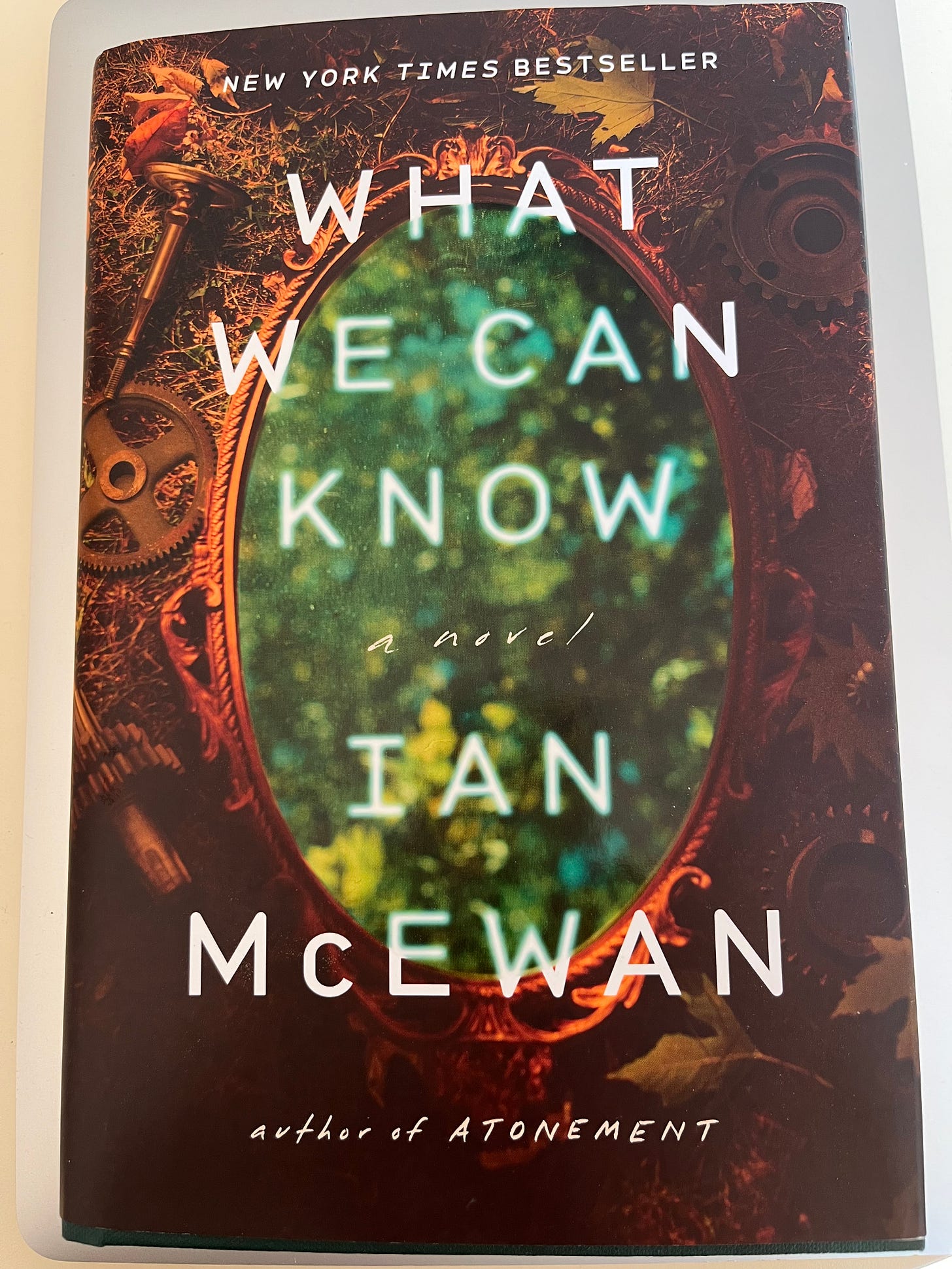
Book Review- Ian McEwan: What We Can Know

Nobody asked for my review but as a disappointed fan of the author, I have to express my sentiment: I am reading Ian McEwan’s latest book “What we can know” because I read and liked several of his previous books for their sensibilities for the time we live in, his precise and artful language and his detailed introspection.

But this story, set 100 years from now in a dystopian future, lacks a stable narrative arc strong enough to jump back and forth across a hundred years and keep the reader engaged.

The author’s as well as the narrator’s literary research interest, already feeling old fashioned in the contemporary setting, appears outright tedious in the apocalyptic future in which it is supposed to take place. Most gravely though, McEwan lacks the imagination to paint out a future so many decades ahead, dystopian or otherwise.

He stays in the lanes familiar to us. Surely they wouldn’t research via an internet or ask AI similarly to we do now, wouldn’t speak, react and aspire in the same words or sentiments as we do. He allows that the various catastrophic events between now and then have slowed technological progress, but that’s no excuse for not imagining any real change for how people live, love, or get around except the the electric boats mentioned several times.

There probably wouldn’t be libraries with actual physical antique books, at least not for the public to go to. His descriptions of the various catastrophic events that had occurred remain bloodless and contrived, except for an Iran war that jumped from his imagination to relaity right after the book was published.

I have the strong impression that the author himself felt his inability to fill this distant future with juice and color, and so he keeps getting back to the here and now, presumably reconstructed from archival material.

But as much as it is supposedly reconstructed from research and much effort, this 100 ago time comes across with the fullness of the contemporary observer which the author of course is.

His future is what remains the abstract and lifeless construct distilled from research, quite backwards from the story’s premise and suffering from not enough research.

“What we can know” is not much, at least when we talk about a future 100 years from now, except that the title refers to the ability to know everything about us, thanks to our obsession to record everything.

McEwan doesn’t allow for the possibility that our everyday digital recordings are too ephemeral and too subjected to specific technology and software to endure for research over a 100 years.

Isn’t it much more likely that future generations not only would care even less about us than we care about the past but that our time actually leaves fewer useable traces?

I have not yet finished the book because my nagging complaints recur chapter by chapter and it is unlikely that this will change during in the final stretch. But I am not one to give up easily, so will pick it up again searching for the raisins of McEwans beautiful language and introspections which remain an attraction even in a weak plot.

Klaus Philipsen, FAIA

Friday, January 2, 2026

Jörg Aldinger, begabter Architekt und Freund stirbt an Krebs im Alter von 70 Jahren

 Am zweiten Weihnachtstag erhielt ich die Nachricht, dass mein Freund von 43 Jahren, Jörg Aldinger, an einem Hirntumor gestorben ist, einer Erkrankung, mit der er etwas mehr als ein Jahr lang durch Phasen des Optimismus, der Resignation und der Akzeptanz zu kämpfen hatte.

Joerg Aldinger, 2017 in Berlin (Photo: Philipsen)

Er verbrachte seine letzten Monate in der Hospizpflege, wissend, dass der Tod nahe und unvermeidlich war. Seine Frau Irmgard war so weit wie möglich an seiner Seite, der jüngste Sohn get noch aufs Gymnasium und ihr eigenes Büro erfordert ebenfalls Aufmerksamkeit. Die erwachsenen Kinder seiner ersten Ehe und viele Freunde begleiteten ihn durch das Jahr, das auch eine letzte Reise nach Skandinavien Ende August beinhaltete. Er schrieb "zauberhaft für unsere Familie, wieder zu reisen. Voller Eindrücke und überglücklich".

Jörg war in erster Linie ein Freund, ein Kollege, mein Chef für eine Weile und einer meiner verbleibenden Kontakte in die alte Heimatstadt Stuttgart. Bei einem Glas Wein auf der Route 66 in Pasadena, Kalifornien und als Zeichen der Zuneigung zitierte er einmal Humphrey Bogarts letzte Worte im Film Casablanca, in dem er sich auf eine große Freundschaft bezog.

Freunde wie Jörg sind selten und er behält einen Platz in meinem Herzen wegen seiner unerschütterlichen Freundlichkeit, seiner vielseitigen Interessen und der vielen Ebenen unserer Beziehung. Er war großartig, als er mich in einer für mich sehr schwierigen Zeit beschäftigte, er war großartig, als ich sein Haus besuchte oder als wir uns zum Mittagessen trafen, nur wir beide oder er und seine Frau oder mit meinem Vater, den er problemlos in die Kommunikation miteinbezog. Wir haben ein paar Mal bei La Piazza, "dem Italianer" im Stuttgarter Komplex gegessen, der vom Architekten Gutbrod entworfen wurde. Er besuchte mich in den USA und wir trafen uns auch in Berlin, wo er eine Wohnung im Corbusier Haus als Zweitwohnsitz renovierte. Ich kannte ihn als Ehemann und Vater von vier Kindern in seiner ersten Ehe in seinem ersten Haus, das er natürlich selbst entworfen hatte. Später in seiner zweiten Ehe mit Irmgard hatte er die perfekte Partnerin gefunden. Sie hatten beide den Johannes.

Ich arbeitete für ihn, als sein Vater das Vorstadtbüro als Miteigentümer an ihn übergab. Unser Transformationsprojekt war ein großer zweistöckiger Showroom für Möbel Behr, der in Wendlingen seinen Stammsitz hat. Dann auch noch Sozialwohnungsprojekt. Beide hatte er entworfen und ich Ich war Projektmanager. Er gab mir so viel Freiheit, dass ich mich wie ein echter Partner fühlte. Diese Zusammenarbeit endete mit meiner Auswanderung in die USA. Allmählich hat sich die Firma von dem lokal gut vernetzten soliden schwäbischen Architekturbüro der Feuerwachen, Schulen und Rathäuser zu einem designorientierten Studio entwickelt, das durch Wettbewerbe jobs bekam. Er verlegte das Büro nach Stuttgart in die ehemalige Arztpraxis des Vaters seiner ersten Frau. Jörg stieg nicht nur in die Stuttgarter Architektenclique ein, sondern wurde auch Dekan für Architektur an der Hochschule in Biberach, wo er mich einmal als Studiokritiker einlud und um eine einen Vorlesung zu halten.

Er blieb stets neugierig und offen. Für ein Jahr oder so war er Gastdozent an der California State Polytechnic University in LA. Seine Fähigkeit, das Büro durch den Sturm zu führen seiner Scheidung zu führen ihn zwang, neu anzufangen, Erfolg trotz Auslandsaufenthalt aufrechtzuerhalten und trotz der Tätigkeit an der Hochschule, beruhte auf seinem Vertrauen in seine Mitarbeiter, das ihm das Delegieren von Aufgaben ermöglichte, und beruhte auf seiner Fähigkeit sich auf das zu konzentrieren, was wesentlich war. Sein Büro erhielt viele Architekturpreise. Er war ein gefragter Fachpreisrichter für Architektenwettbewerbe in ganz Deutschland, was wiederum dazu führte, dass er in mehreren deutschen Städten für Gestaltungsbeiräte nominiert wurde. UnsereBeziehung hatte viele Facetten: Mein Sohn verbrachte einen Sommer als Praktikant in seiner Firma in Stuttgart, mein Bruder arbeitete mit ihm an Wettbewerben in seiner Heimatstadt Herrenberg zusammen und mein Vetter lud ihn ein, an seiner Architekturschule in der Nähe von Bonn zu sprechen. Im Jahr 2016 haben wir uns gemeinsam an einem deutsch-amerikanischen Projekt versucht, einer High School auf dem Luftwaffenstützpunkt Spangdahlem in Deutschland, bei dem mein Büro ein wenig zu den Einrichtungs- und Möbelkonzepten beigetragen hat. Mein einziges transatlantisches Projekt.

Obwohl Jörg fünf Jahre jünger war als ich, schaute ich zu ihm auf, wegen seiner Fähigkeit, Ideen zu skizzieren, seiner überlegenen Designfähigkeiten und seines tadellosen Geschmacks in Mode, Architektur, Möbeln und Essen. Überdies war er sehr musikalisch. Jahrelang schickte er kunstvolle, selbst entworfene Weihnachtskarten. In seiner ersten Ehe ging es manchmal ein wenig elitär zu. Dies ließ aber im Laufe der Jahre nach und wurde sowieso immer durch eine fortschrittliche Sicht auf Gesellschaft, Technologie, seinen offenen Geist und seine Toleranz ausgeglichen. Die meisten seiner Projekte hatten eine soziale Funktion und waren umweltbewusst, insbesondere durch sein besonderes Interesse an Holzbau. Wir waren uns einig über Werte und Politik.

Sein Designansatz für sein 2007er Projekt der Hospizpflegeeinrichtung St. Martin (in das er selbst am Ende seiner Lebensreise verlegt wurde) war nachdenklich und humanistisch wie er einplante was ein unheilbar kranker Gast brauchen würde. 

In einem Nachruf, der diese Woche im überregionalen Teil der Stuttgarter Zeitung gedruckt wurde, wurde er in der Überschrift als "Vermittler und Menschenfreund" beschrieben. Sein Impuls für gutes Design war nicht elitär, sondern motiviert vom menschlichen Bedürfnis nach Schutz und einer Umgebung, die sich auf den menschlichen Dialog einläßt, nicht durch populäre Dekoration, sondern auf der Grundlage von Funktion, Raum, Material, Beleuchtung, der Essenz von Architektur eben. Die vielen Gebäude, die er entworfen hat, sind nicht an einer bestimmten "Handschrift" zu erkennen, sondern sie ergeben aus ihrem Standort und den Bedürfnissen des Programms. Sie teilen eine gewisse Strenge und etwas Minimalismus, die ihre Wurzeln in der Moderne haben, aber wurden nie zu den kalten isolierten Objekten, die der Moderne einen schlechten Ruf verliehen.

Sein Leidensjahr beendete riss in jäh aus seiner Produktivität, die seine Büropartner ohne Spiritus-Rektor, der er blieb, selbst als das Büro größer geworden war, nun irgendwie aufrechterhalten müssen.

In seiner Neujahrsbotschaft von 2024 schrieb er mir: "Freundschaften sind wichtig, sie geben uns Festpunkte und vermitteln das Gefühl von Vertrautheit und Sicherheit. Für mich ist das mit uns beiden i, wir sehen uns fast nicht, sind aber in meiner Wahrnehmung nicht weit entfernt." Ich vermisse dich sehr, mein lieber Freund!

Klaus Philipsen, FAIA

Thursday, January 1, 2026

Joerg Aldinger, talented architect and friend dies of brain cancer at age 70

 On the second day of Christmas I received the message that my friend of 43 years, Joerg Aldinger, died of a brain cancer a condition he dealt with for a bit more than a year through all stages of optimism, resignation and acceptance.

He spent his last few months in hospice care knowing death was near and inevitable. His wife Irmgard on his side as much as she could with their young son still going to high school and her own business needing attention as well. The adult children of his first marriage and many friends accompanied his journey that also included one last trip to Scandinavia in late August. He wrote "magical for our family to travel again. Full of impressions and super happy". 

Joerg was foremost a friend, a colleague, my boss for a while and my remaining lifelines to the old hometown Stuttgart. Over a glass of wine on Route 66 in Pasadena and as a sign of affection he quoted Humphrey Bogart's last words in the film Casablanca referring to a great friendship.  

Friends like Joerg are rare and he keeps a place in my heart because of his unfailing kindness, his versatile interests and the many layers of our relationship. He was great when he employed me in a for me very difficult time, he was great when I visited his home or when we met for lunch, just the two of us or he and his wife or with my father who he integrated into the communication without a problem. We ate a few times at La Piazza, "dem Italiener" in the Stuttgart complex designed by the architect Gutbrod. He visited me in the US and we met in Berlin where he renovated a condo in the Corbusier Haus as a second domicile. I knew him as the husband and father of four children in his first marriage in his first house he had designed from scratch. Later in his second marriage with Irmgard, he had found the perfect match. They both had another child.  

I worked for him when his father transitioned the suburban office to him as the co-owner. Our transformational project was a large two story showroom for local company making and selling designer furniture which he had designed followed by a social housing project. I was the project manager and he gave me so much freedom that I felt like a true partner.  This collaboration ended with my emigration to the US. Gradually is firm morphed from being the locally well connected solid Suebian architect of firehouses, schools and town halls to a more design-oriented studio winning work through design competitions. He moved the office to Stuttgart into the former doctor's practice of his first wife's father. Joerg advanced not only into the Stuttgart architecture establishment but also became Dean of architecture at the Hochschule in Biberach where he invited me once to be a studio critic and give a lecture. 

He remained curious and open. For a year or so he was a guest lecturer at California State Polytechnic University in LA. His ability to direct the office through the storm when divorce forced him to start over, maintain success while overseas, and teaching as a Dean, was based on his trust in his people allowing him delegation of tasks and a knack to focus on what mattered the most. His office received many design awards. He was a sought after juror for design competitions across Germany which, in turn, led to being nominated to design advisory panels (Gestaltungsbeiraeten) in several German cities. Our ties had many side bars. My son spent a summer working in his firm in Stuttgart, my brother collaborated with him on local juries in his hometown of Herrenberg and my cousin invited him to speak in his Architecture school near Bonn, Germany. In 2016 we tried our hand at a German-American project, a high school on the Spangdahlem air base in Germany in which my company contributed a little to the interiors and furniture concepts. My only ever transatlantic project. 

Even though Joerg was five years younger than I, I looked up to him for his ability to sketch out ideas, his superior design skills and his impeccable taste in fashion, architecture, furniture and food. For years he sent artful self designed Christmas cards.  In his first marriage he cultivated a somewhat elitist lifestyle.  But that wore off over the years and was always balanced by a progressive view of society, technology and his open mind and accepting demeanor. Most of his projects had a social function and where environmentally conscious which his special interest in wood as a construction material. We never had any argument over values or politics. 

His design approach to his 2007  project of the hospice care facility St Martin (in which he was transferred at the end of his life journey) was deeply thoughtful and humanist in his anticipation what a terminally ill guest would need. In an obituary this week printed in the regional section of the Stuttgart Zeitung the headline described him as Vermittler and Menschenfreund (Intermediary and philanthropist). His impulse for good design was not classist but driven by the human need for shelter and an environment that is open to human dialogue not achieved through cheap popular frills but rather on a fundamental level of function, space, material, lighting, the very essence of architecture. The many buildings  he designed are not recognizable by a certain "handwriting" but are of their places and the needs derived from the program. They share a certain austerity and minimalism that had its roots in modernism but never become the cold isolated objects that gave modernism a bad reputation. 

His death ended a steady stream of production that his office partners will find difficult to sustain without Joerg as the spiritus rector that he remained even when the studio had grown in size. 

In his new year message of 2024 he wrote to me: "Friendships are important, they anchor us and give the feel of familiarity and security. For us two it is like that, we rarely see each other but are still not far, in my perception." I miss you dearly, my friend!

Klaus Philipsen, FAIA